01.
ABOUT Ben Alleman
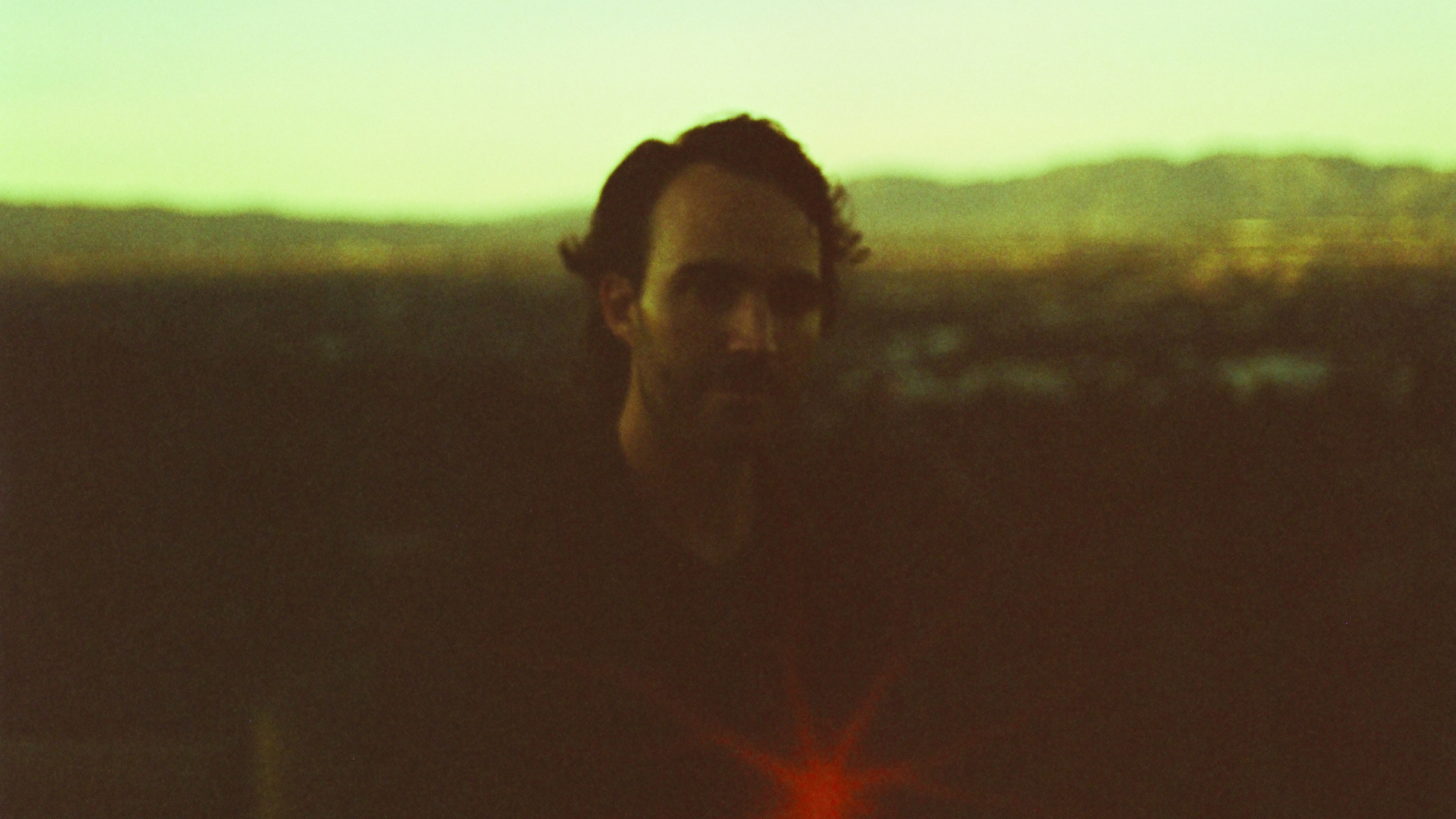
Ben Alleman is a Los Angeles-based pianist and improviser whose work spans international touring, record production, session work, film composition, and his own distinctive instrumental music. Raised in Southeast Louisiana, he began his career touring in the band of six-time Grammy winner and Rock & Roll Hall of Famer Dr. John, and has since toured extensively with musical luminaries Social Distortion, Jenny Lewis, and Grace Potter. He is also a member of Conan O’Brien’s band, The Vigodas.
Working from his personal studio and recording rooms across the country as a session musician, Ben has built a wide-ranging body of work with artists including Anders Osborne, Madi Diaz, The Wood Brothers, Elisapie, Brad Wilk, Sean McConnell, Maggie Rose, Olivia Kaplan, Greg Holden, Quinnie, Lisa Leblanc, and Marc Broussard. As a record producer Ben’s credits include Sean McConnell - Skin (2025), Kristin Diable - Impossible Things (2026), Malin Andersson - Calm The Chaos (2026), and Pet Fangs - Ultra Deluxe (2019). His on-stage collaborations include Willie Nelson, Warren Haynes, Don Was, Karen Elson, Jamie Lidell, John Medeski, and The McCrary Sisters. Additional touring credits include Elizabeth Cook, Dan Horne Band, Sean’s Weird Ears, Samantha Fish, Betty Who, and desert rock legends earthlings?. His live performance work also includes television appearances on Fallon, Kimmel, Colbert, Ellen, Corden, and Conan.
His compositions have appeared in Resynator, winner of the 2024 SXSW Documentary Feature Audience Award; Showtime’s Shameless; Gimlet Media’s Heavyweight podcast; and Jalouse Magazine’s Billie Eilish feature. His commercial work includes music for Visa, Airbnb, Halston x Netflix, Umbro x Material Girl, Krewe Eyewear, Amiri, and Billy Reid.
Ben’s debut album, A Study in Unknowing, released in June 2024 through Well Kept Secret, brings his work as an instrumentalist, composer, and improviser into focus. Drawing on places, people, and memories, the record blends acoustic and electronically treated sounds in an intimate, emotionally driven landscape. Co-produced with Parker McAnnally, it features contributions from Sebastian Steinberg, Anna Butterss, Dylan Day, Matt Musty, and Joe Harrison.
His latest album, Underneath the Orange Tree, released in May of 2026, picks up where A Study in Unknowing left off - exploring the contradictions of life in Los Angeles. Joined by studio veterans Matt Musty on drums and Brian Lang on bass, Alleman’s autobiographical melodies bloom into collective improvisation, blending communicative interplay with post-rock sounds and harmony. The result is a personal reimagining of the piano trio, finding beauty, tension, and possibility in the uncertainty of modern life.
Underneath the orange Tree
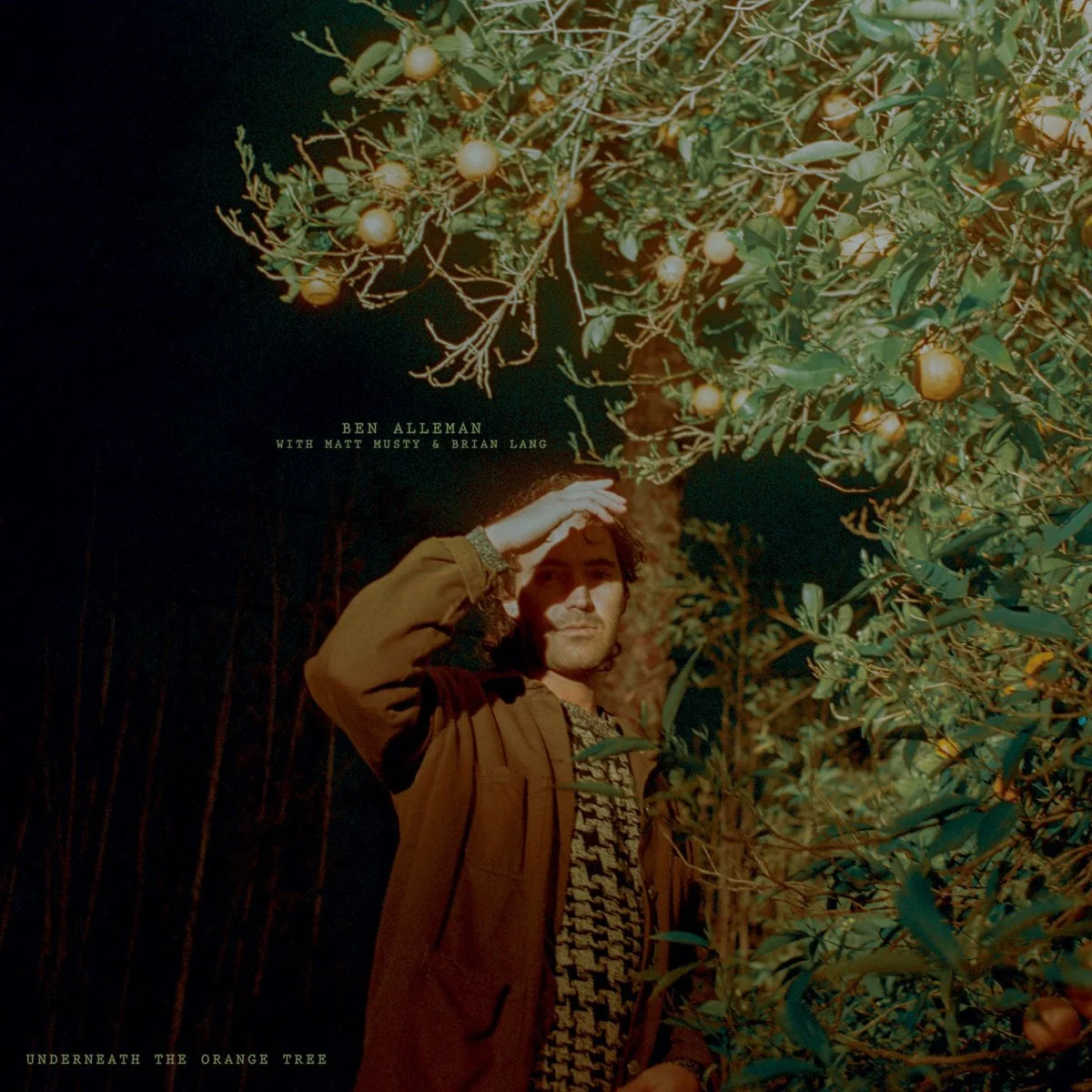
Underneath The Orange Tree
Underneath the Orange Tree starts where A Study In Unknowing left off, and where Alleman now resides, Los Angeles. However, you won’t find Hollywood in these songs. The album deals with the lesser thought of experiences that LA offers. You’ll find the grit and dust of the people and landscape, the trials of post-pandemic life, choice vs. fate, the nervous quiet of an LA winter, the exaltation of rain, killing old versions of yourself, and the conflict of abandoning your roots.
Alleman’s melodies are somatically written and autobiographical. Drawing inspiration from lived experience, place, memories, and circumstances, he fully dives into these subjects with mind and body, and extracts melodies, arrangements, and improvisations that at a glance can feel simple but have much more waiting to unfold if you’re patient and willing to receive. The music is emotionally primed to be lived in by your own story.
Other than Alleman’s melodies, little is written before the sessions begin. Much of what’s here comes from impromptu inspiration on the tracking day, stemming from improvising on the ideas. Written melodies are stated and expanded upon by Alleman tastefully augmenting the ideas, or fully diving into improvised sections in order to create worlds within each idea.
While rooted in lived experience, Underneath the Orange Tree doesn’t function to serve banal urges of nostalgia, rather it looks to the future and poses questions of what a piano trio can be, and what type of music gets to claim the concept of improvisation and how it’s defined. It offers new and compounded influences to an instrument created over 300 years ago. It’s an amalgamation of jazz-informed musicians bridging traditional ideas of augmenting melody with improvisation, but with modern sounds, harmony, and ethos. Alleman continues to uncover how a piano can feel when its function is not only to be beautiful, but also to introduce edges, tension and to commiserate on the uncertainty that occupies the corners of modern life.
A STUDY IN UNKNOWING

A Study in Unknowing
A harvest of heritage, fertilized by the Pacific and the Mississippi River, Alleman makes a vivid contribution to the world of American improvised music with his debut album.
In 1929 the United States Army Corps of Engineers built a six mile dam in southern Louisiana, consisting of 7,000 movable wooden slats filling 350 concrete bays, in response to the most destructive flood in the history of the United States just two years prior. This system, the Bonnet Carré Spillway, floods the land that separates the Mississippi River from Lake Pontchartrain, diverting the mighty Mississippi from drowning the city it helped create: New Orleans.
As if pulled directly from that soaked ground, New Orleans native Ben Alleman has been confidently and quietly nurturing his distinctive compositional voice, fueled by years of studio excellence and tours with a number of your favorite rock outfits of the last fifteen years. A Study In Unknowing, the fruiting body of his dedication to craft, is at once a remembrance and a path forward. The slow motion, elegiac ritual of “Mirlitons and Fig Trees” is buoyed by the rebirth and celebration of “River.” What gives the album its singularity is the ability of Alleman and his collaborators to communicate sensitivity, anger, tenacity, disappointment and joy, often in the same song. This isn’t only a celebration of musicianship, it’s a celebration of the complexities of being alive.
A Study In Unknowing was made entirely in a small stuccoed garage at Alleman’s new home in Los Angeles, an ideal setting for the close collaboration that made the seeming telepathy of these recordings possible. Questions are posed, occasionally answered, sometimes left open-ended. What’s here is tactile and tangible, valuing discovery over accomplishment, managing to write a new chapter in the book begun by Bill Frisell and Daniel Lanois.
The album spends most of its time in New Orleans, reflecting on the complexity of “home:” Is it a place to return to, or simply the place that shaped you? What comfort can home provide, and at what cost? Alleman interrogates these ideas, from the harmonic mystery of “1323 Saint Andrew St.,” to the somnambulant seduction of “Pelican 1.” The dream ends with a snare crack that begins “Pelican 2,” and cleaves the album in half. Shoulder to shoulder, Sebastian Steinberg’s relentless ruddered bass and Matt Musty’s muscular drumming lift Alleman’s raging distorted Wurlitzer, all together clawing away layers of rubble to reveal a cornerstone of the album, “Bonnet Carré.”

Alleman wisely places the most identifiably New Orleans-drenched song deep in the album, and it feels like an arrival. It is at once regal, funky, menacing and surprising. Joe Harrison’s sepia-toned woodwinds combined with the swirls of organ and percussion create the sensation of plunging a kaleidoscope into a swamp, seeing the flora and fauna animated by Alleman’s sunken piano playing.
You can hear him collecting waterlogged relics in New Orleans amidst the straw, dried leaves and glass that become makeshift percussion - things never broken, only repurposed. After the dust has cleared, he leaves Louisiana for the moving pictures of “California,” which flicker and churn. Alleman’s piano is spare and structural, Musty’s drums smear and skitter across the panorama; nowhere is the idea of The American West more optimistic, complex, or promising.
Like the Spillway that connects the Mississippi to the Lake Pontchartrain, Alleman artfully bridges his New Orleanian roots with his current California surroundings, controlling the flow of what is expected in a search for higher ground, while still showing us what was once submerged isn’t useless; it can become new again. Home remains - if you listen closely you can hear the river flowing. -PM
.02
LISTEN


.03
STUDIO


.05
NEWSLETTER
Get new music, stories from the studio, and special happenings and events.